
Clearing the Board
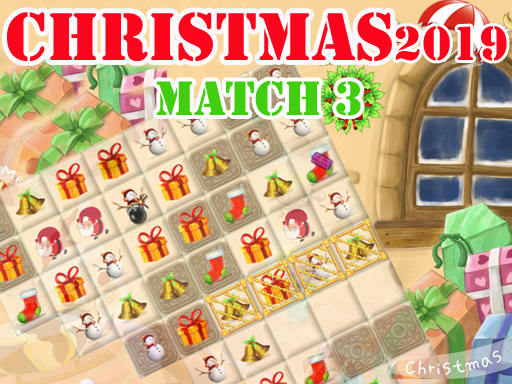
Holiday Match 3 Puzzle uses the familiar swap-and-match formula, but the objective is not simply to rack up points. Each board contains dirty cells that must be removed by making matches on top of them. Ornaments, snowflakes, and candy canes fill the grid, and swapping two adjacent symbols to form a line of three or more clears those icons and scrubs the tiles beneath. Locked symbols cannot be moved, so every swap requires a quick assessment of what will open up and what will stay stuck.
Special Symbols and Their Impact
Matches made in specific shapes produce special items. Some clear a cluster of nearby tiles, others wipe an entire row or column, and time symbols add seconds to the clock. These tools are not just bonuses; they are the main way to handle dense clusters of dirty cells or break through sections where locked symbols block normal matches. Deciding when to trigger a special item versus saving it for a tougher board is the core strategic decision.
Timed Play and Gradual Challenge
A timer runs during each level, and the goal is to clear all dirty cells before it expires. Early boards offer straightforward layouts with plenty of open swaps. Later stages introduce more locked symbols and tighter arrangements, which reduces the number of useful moves and forces players to think a step or two ahead. The difficulty curve is steady rather than sudden, so the game remains approachable for casual players while still giving puzzle fans something to plan around.
Who It Suits
The holiday visuals and simple rules make this a natural fit for family play, and there is no violent or inappropriate content. Sessions are short enough for a quick break, but the combination of timers, locked tiles, and special items gives it more bite than a purely mindless matcher. Players who enjoy pattern recognition and light time pressure will get the most out of it.








Editorial Notes