
Reconstructing the Image
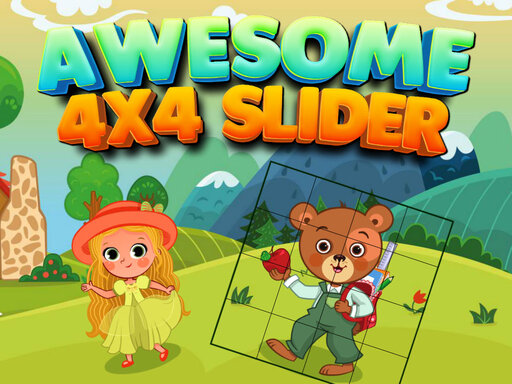
The goal in 4x4 Slider Puzzle Challenge is straightforward: a single image has been cut into fifteen square tiles and scattered across a 4x4 grid, leaving one empty slot. Your task is to slide those tiles back into their original positions until the full picture is visible. Each move shifts a tile into the blank space, which in turn creates a new empty spot elsewhere on the board. The puzzle blends visual recognition with logical sequencing, since you must not only identify where a tile belongs but also figure out the order of moves that will get it there without undoing previous progress.
Controls and Feedback
Interaction is limited to clicking or tapping any tile that sits directly next to the empty space. That tile slides into the gap, and the empty space moves to the tile's former location. The controls respond immediately, so there is no delay between input and result. A timer counts down during each attempt, and the score decreases as time passes. This creates a gentle pressure to work efficiently rather than simply experimenting at random. Because the rules are so simple, new players can make their first move within seconds, but the 4x4 grid offers enough complexity to keep experienced puzzle fans engaged.
Scoring and Session Length
Performance is measured by a point-based system that factors in both the number of moves and the remaining time. Solving the puzzle with fewer slides and faster completion yields a higher score. The game is built for short sessions—most puzzles can be finished in a few minutes—but nothing prevents longer play if you want to chase better scores or simply enjoy the process. The interface stays clean and uncluttered, keeping attention on the grid itself. Each puzzle uses a high-quality, family-friendly image, and the game may include multiple images or difficulty variations, as is common in this genre.
Planning Over Speed
Efficiency matters, but accuracy matters more. Rushing often leads to wasted moves that must be reversed later. A more reliable approach is to solve the puzzle in layers—completing one row or column at a time—and to focus first on edge tiles, which are easier to place correctly because they have fewer valid positions. Planning two or three moves ahead helps avoid trapping tiles in the wrong part of the grid. With practice, players begin to recognize recurring patterns and can solve puzzles faster without sacrificing precision. The timer is best treated as a motivator rather than a source of panic.








Editorial Notes