
Targets in Motion
Sky Target Precision drops moving objects onto the screen from different edges. Some arrive alone; others appear in small clusters. Their paths and speeds vary, so you cannot rely on a fixed pattern. Each target remains visible for only a few seconds, forcing you to pick one and tap quickly. A missed target removes a life, and the round ends when every life is gone. That single rule drives the entire experience: keep your eyes moving, commit fast, and accept that some targets will slip away.
Feedback That Teaches
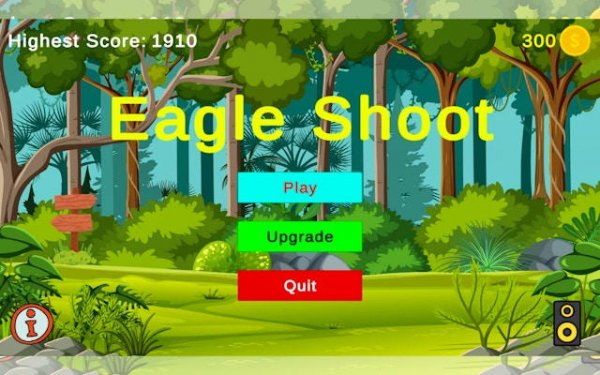
Every successful tap triggers a brief flash, a small particle effect, and a subtle sound. These cues confirm your accuracy in real time without cluttering the screen. Because the feedback is immediate, you can adjust your timing between attempts. The game also stores your highest score, giving you a concrete number to beat. There is no story, no character growth, and no unlockable content. The scoreboard is the only measure of progress, which keeps attention on improving your own reaction speed.
Short Rounds, Low Friction
Rounds typically last one to two minutes, making the game easy to fit into a short break or chain into a longer session. Controls are limited to tapping or clicking, so no tutorial is needed. Menus and settings are minimal, and the game loads quickly. That low friction matters for a precision game: the faster you can restart, the more attempts you get, and the more likely you are to notice small improvements in your aim.
Why Randomness Keeps It Playable
Target appearances are randomized, so memorizing spawn points or timing patterns will not help. Instead, you rely on reaction time and adaptability. This randomness gives each round a different rhythm, and the high-score system provides a clear reason to try again. Mistakes are not punished harshly because restarting is instant. Over repeated sessions, players who stick with it may see their accuracy climb, which is the main source of satisfaction in a game with no other progression.







Editorial Notes