
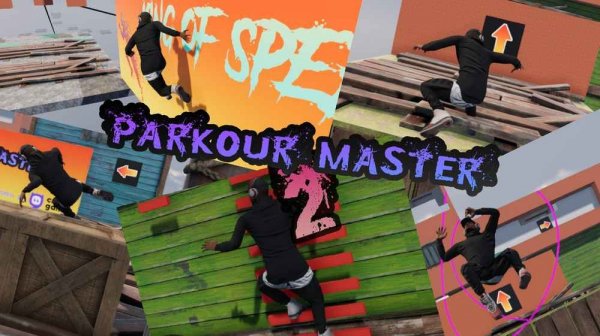
Movement Mechanics & Control
Players move a character through a fully three-dimensional space using standard keyboard commands. Forward, backward, and sideways keys handle positioning. A dedicated jump button lifts the character off the ground. An interaction key grabs ledges, bars, or other climbable surfaces, while a separate key releases the grip. Chaining these actions in sequence is the foundation for every course.
Course Structure & Route Options
Each level presents a distinct arrangement of platforms, walls, and obstacles. Some stages emphasize long jumps between distant platforms; others focus on climbing vertical surfaces or swinging across gaps. Observing the environment before moving helps identify efficient routes. Many courses offer multiple ways to reach the goal — a direct but difficult path or a longer, safer route. The game rewards experimentation, as some routes are faster or require fewer moves.
Difficulty Curve & Practice
Difficulty increases gradually. Early levels introduce single jumps and simple climbs. Later stages combine techniques, such as jumping from a wall to a swinging bar and landing on a narrow platform. Breaking a difficult section into smaller steps helps master each part before attempting the full course. The game tracks progress, encouraging revisits to improve performance.
Visual Style & Family Suitability
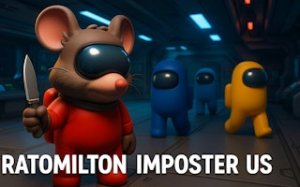
Three-dimensional graphics use a third-person camera angle that keeps the character and surroundings visible. Bright colors and clean visual cues help identify climbable surfaces and hazards. The game contains no violent or inappropriate material, making it suitable for players of all ages. The focus remains on movement-based puzzles and personal skill development rather than combat or conflict.




Editorial Notes