
Two-Player Duel on a Single Screen
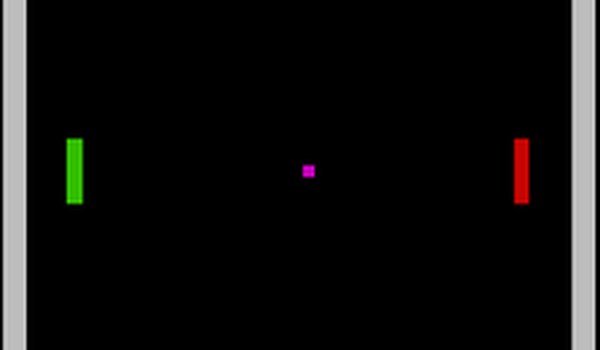
Classic Paddle Rally is built around direct competition between two people sharing one screen. Each player commands a vertical paddle on their side of the field, using a dedicated set of keyboard keys to move up and down. A small ball travels back and forth, and the objective is simple: deflect it past your opponent's paddle to earn a point. Because both players occupy the same physical space, matches become lively and immediate, with no network delay or split-screen compromise. The ball accelerates as a rally continues, so early points are easier to win than late ones. This escalating speed turns every exchange into a test of anticipation and hand-eye coordination, and matches stay short enough for quick sessions.
Power-Ups and Optional Chaos
Before a match, players can toggle an optional power-up mode. When enabled, special items appear on the field. Collecting one grants a temporary benefit, such as a larger paddle or a slower ball. These items introduce a strategic layer: do you chase the power-up and risk leaving your side open, or focus on returning the ball and let your opponent grab it? The mode is entirely optional, so groups who prefer pure reflex duels can leave it off. When active, it adds unpredictability without changing the core scoring rules, making each rally feel less predictable.
Difficulty Settings for Solo Play
For players without a second person, an AI opponent provides a consistent challenge. Three difficulty settings are available. The easiest setting is forgiving, giving beginners time to read ball trajectories and learn paddle positioning. The hardest setting demands precise timing and quick reactions, rewarding players who can predict where the ball will land. Achievements tied to specific in-game milestones give solo players goals beyond simply winning a match. These achievements do not affect gameplay or unlock advantages; they exist as optional targets for repeated play.
Visual Style and Customization
The game uses a clean, colorful visual style built from simple geometric shapes. Background and paddle colors can be customized, letting players add a personal touch to their side of the field. Subtle visual feedback appears when a point is scored, reinforcing the outcome without distracting from the action. The interface stays minimal, keeping attention on the ball and paddles. This restrained presentation suits the arcade format, where clarity matters more than spectacle.








Editorial Notes