
Lane-Switching on a Busy Highway
Speed Lane: Endless Road Runner puts the player on a wide, multi-lane road packed with moving vehicles. The only control is lateral: tap or press left and right to shift one lane at a time. There is no accelerator or brake, so every decision is about positioning. Early traffic moves at a moderate pace, giving new players room to learn the controls. As distance grows, surrounding cars speed up and appear more often, which shortens the window for each lane change.
Traffic Patterns and Risk
Because the format is endless, traffic layouts shift unpredictably from one attempt to the next. No two runs follow the same sequence of gaps. Coins appear along the road, and some sit in slightly risky positions, forcing a trade-off between collecting for score and staying safe. A single collision ends the run and resets the counter, so the practical goal is to beat a personal best rather than reach a finish line.
3D Presentation and Readability
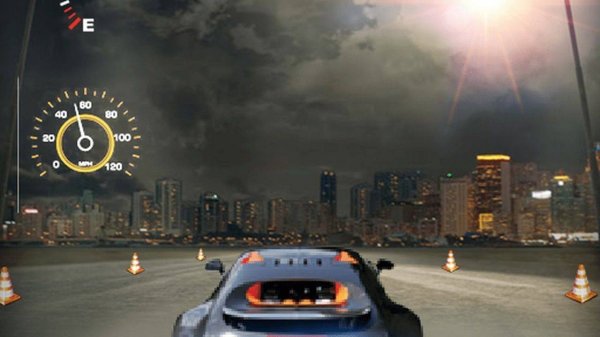
The game uses three-dimensional graphics to convey depth and speed. Road markings, vehicle details, and background scenery change as the player progresses, so longer runs look different from short ones. The camera stays fixed on the action, which keeps upcoming obstacles visible. Bright colors and clear contrast separate lanes from approaching cars, an intentional choice that reduces eye strain during extended sessions.
Approachability and Session Length
Simple inputs make the game accessible to younger players and to anyone new to driving games. Input response is immediate, with no noticeable lag between a tap and the on-screen lane change. After a crash, a new run starts instantly, so downtime between attempts is minimal. The game avoids violent themes, complex narratives, timers, lives, and purchases that affect play, which keeps each session self-contained and easy to fit into a short break.







Editorial Notes