
Sketchbook Aesthetic and Level Design
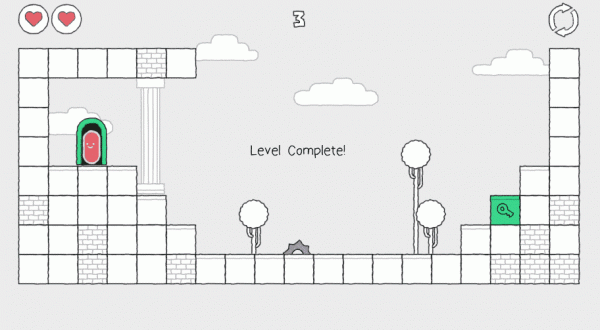
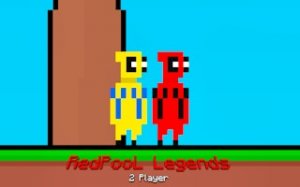
Every stage looks like a page torn from a sketchbook. The hand-drawn art gives each environment a personal, handmade quality that sets the tone before a single jump is made. Visual simplicity is deliberate: platforms, gaps, and obstacles read clearly at a glance, but the layouts underneath are built around thoughtful movement rather than reflex speed. Coins and keys are positioned to reward exploration, not rushing. Studying the layout before moving is often the difference between a clean run and a restart.
[IMG_1]Collecting Tokens and Finding the Key
Each level has two objectives: gather every shiny token scattered across the stage and locate a hidden key. That key opens a door leading to the next area. Some tokens sit in plain sight, while others demand backtracking or a precisely timed jump. The key is frequently tucked behind a moving block or placed on a higher ledge that requires planning to reach. This collection loop gives every stage a clear purpose without demanding fast reflexes. Players can take as long as they need to map out the correct path.
Hazards and Moving Obstacles
Spikes and sliding blocks are the primary threats. Touching either resets the character to the start of the level. These hazards test timing and route planning rather than punish the player. They appear gradually, so newcomers have time to learn how each obstacle behaves. Moving platforms add a rhythm element, asking players to wait for the right moment to cross. The difficulty curve stays moderate throughout, making the game suitable for younger players and adults looking for a relaxed mental workout.
[IMG_2]Browser Play and Session Length
The game runs entirely in a web browser, with no installation or account setup required. Levels are short, often completable in a few minutes, which makes the game well suited to quick breaks. There is no time limit and no score pressure, so the atmosphere stays calm. Players can step away and return later without losing progress. This pick-up-and-play design lowers the barrier to entry, letting anyone start a new puzzle whenever they have a spare moment.
Progression Through Visual Themes
As players advance, new visual themes and obstacle types appear. Early levels focus on basic jumping and key finding. Later stages introduce moving blocks, disappearing platforms, and multi-path layouts that require more careful observation. The game does not rely on text or dialogue to guide the player. Instead, the level design itself teaches new concepts through repeated exposure. This approach keeps the focus on observation and problem solving, making each completed stage feel earned.



Editorial Notes