
Sliding, Anticipating, Catching
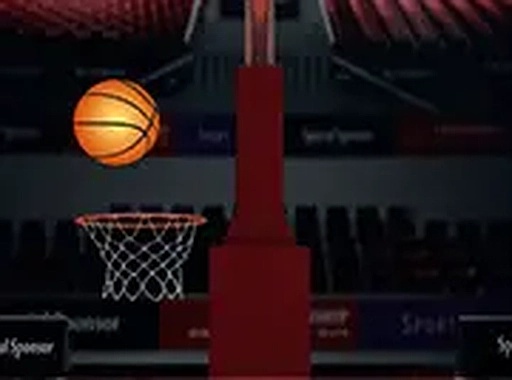
Catch the Hoop Drops asks one thing of you: move a basket left and right along the bottom of the screen so falling balls land inside it. Balls drop from unpredictable spots above, so the real task is reading where each one will land before it gets there. On desktop you drag with the mouse; on a phone or tablet you slide with a finger. There is no menu to navigate and no story to sit through—the game opens and the first ball falls.
Lives, Points, and the Urge to Retry
Every caught ball is worth one point. You start with three lives, and a missed ball removes one. When all three are gone, the run ends and your score is shown, ready to be beaten on the next attempt. That structure keeps failure cheap: a single slip does not end a good run, but three do. The result is a steady pressure to stay locked in without the sting of a long, wasted session.
How the Difficulty Builds
Speed is the main variable. Early balls fall at a comfortable pace, giving you time to line up the basket. As your score rises, drops come faster and from more varied positions. Straight-down falls give way to angled ones and quicker sequences. Nothing is memorized here—there are no fixed patterns to learn—so improvement comes from sharpening hand-eye coordination rather than studying layouts. The curve rewards players who stick with it, and it rarely spikes hard enough to feel unfair.
Visual Clarity and Quiet Feedback
The presentation stays deliberately plain. A simple background keeps the basket and balls easy to track, and there are no busy animations competing for attention. Audio is minimal: one soft tone for a catch, a different one for a miss. That restraint suits short sessions in shared spaces and makes the game approachable for younger players or anyone who prefers low-noise play.
Playing Anywhere, Competing Locally
The game runs in a web browser on desktops, tablets, and smartphones with no download or installation. Controls switch automatically between mouse and touch, and the screen resizes so the basket and balls stay visible. After a run, the final score invites comparison with anyone sharing the device. Passing a phone around and taking turns to beat each other's totals adds motivation without accounts, logins, or online features.







Editorial Notes