 VortexPlay Arcade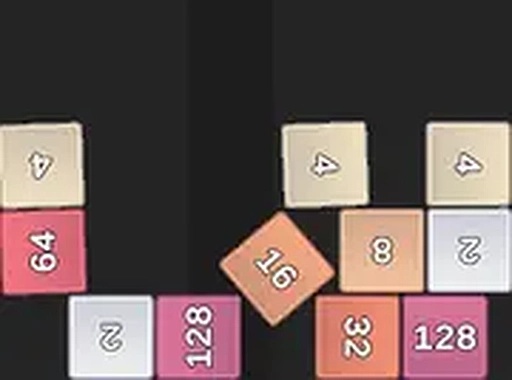
Core Mechanics
Players control numbered blocks that fall into a rectangular play area. The blocks interact with a simulated physics engine, causing them to tumble, slide, and settle against one another. When two blocks carrying the same number make contact, they combine into a single block with a value equal to the sum of the two. This process continues as players aim to produce blocks with increasingly higher numbers. The unpredictable nature of the physics means that even simple drops can lead to unexpected chain reactions.
Strategic Placement
Positioning each block carefully before release is essential. A block dropped near the center may cause a cascade that shifts other blocks, while a block placed near an edge might roll into an empty gap. Players must consider both the current layout and the potential for future merges. Over time, the pile grows taller, and space becomes more limited. The game ends when the stack reaches the top of the arena, so every placement matters.
Visual and Audio Design
The game presents a clean, minimalist interface with bright colors for each number value. Blocks have subtle shading and rounded edges, making them easy to distinguish. The physics simulation is smooth, with blocks wobbling and settling naturally. Sound effects include soft thuds when blocks land and a satisfying chime when numbers merge. The overall aesthetic is calm and focused, suitable for quick sessions or longer play.
Accessibility and Platform
This game runs directly in a web browser on both desktop computers and mobile devices. No downloads or installations are required. Controls are simple: click or tap to position a block, then release to drop it. The interface adapts to screen size, ensuring comfortable play on phones and tablets. Because each game generates a unique layout, there is no fixed sequence of moves, offering endless variety.

Player Comments
0 comments