
One Button, One Decision
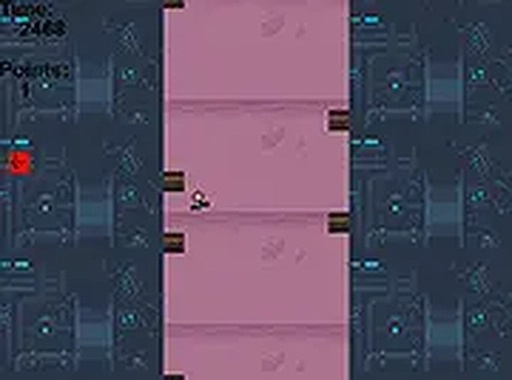
Vertical Ascent Precision Platformer reduces climbing to a single repeated decision: when to jump. You guide a character upward from platform to platform, and each leap succeeds or fails based on your timing. There is no combat, no inventory, and no complex control scheme to learn. The game asks you to read the gap, commit to a moment, and press. That narrow focus is what gives each attempt its tension.
How the Climb Gets Harder
Early platforms sit close together, giving new players room to calibrate their sense of timing. As you rise, the spacing between platforms changes and the platforms themselves vary in size. Tighter gaps demand more precise button presses, and the rhythm you built lower down no longer carries you automatically. The difficulty curve is gradual rather than sudden, so improvement feels earned instead of lucky.
Falling Without Punishment
A missed jump sends you back down, but the game does not treat failure as a harsh penalty. Each fall is information: you learn how a particular gap behaves and adjust your next attempt. This forgiving loop keeps repeated tries from feeling frustrating, which suits casual players who want short sessions. Players chasing mastery still have room to push for cleaner runs and higher scores.
Visual and Audio Feedback
The bright, cheerful art style uses simple, clean shapes so platforms and characters stay easy to read at a glance. The background shifts subtly as you climb, quietly signaling progress without pulling attention away from the jump. Sound effects mark each jump and landing, giving you audio confirmation of your timing. Together, the visuals and audio help you stay focused during longer play sessions.
Controls and Access
Vertical Ascent Precision Platformer runs in modern browsers with no download or installation. You can play with either a keyboard or a mouse, and a full-screen mode is available for a more immersive view. Because the entire control scheme is a single button press, the game is easy to pick up in seconds, though the precision it demands takes practice to refine.








Editorial Notes