
The Core Challenge
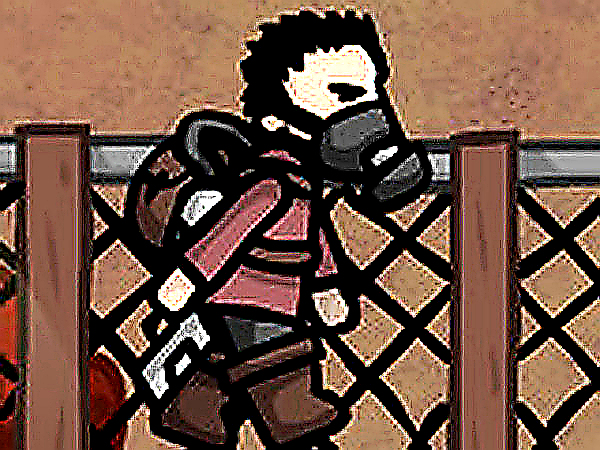
Survivor's Path: Oxygen Rush places players in control of a character navigating a side-scrolling environment where the atmosphere has become unbreathable. The central mechanic revolves around a finite oxygen supply that steadily depletes. This creates a constant pressure to move forward efficiently while exploring each area. Players must balance the need to search for resources with the urgency of reaching the next safe zone. The game design emphasizes thoughtful movement and quick decision-making, as every second spent hesitating reduces the available air.
Resource Scavenging
Scattered throughout the levels are oxygen refill stations that extend the player's journey. These stations are not always placed along the main path, encouraging players to explore side routes and hidden alcoves. Some areas may contain additional supplies that help in navigating more complex sections. The placement of these resources can vary between attempts, adding a layer of unpredictability. Players must adapt their route based on where they find these essential items, making each playthrough feel distinct.
Environmental Navigation
The world is filled with platforms, gaps, and obstacles that require precise timing to overcome. Players guide their character across moving surfaces, over hazards, and through tight spaces. The controls are responsive, allowing for quick adjustments when needed. Environmental clues, such as changes in terrain or visual markers, can hint at safer paths or hidden areas. Mastering the movement system is key to conserving oxygen, as efficient traversal reduces wasted time.
Strategic Decision Making
Success in Survivor's Path: Oxygen Rush depends on making smart choices under pressure. Players must decide whether to take a risky shortcut that might save time or follow a safer but longer route. Exploring thoroughly can reveal oxygen caches, but it also consumes the very resource the player is trying to preserve. This tension between exploration and efficiency drives the gameplay. Each level presents new scenarios that require players to assess risks and prioritize their actions.
Replay Value
The game offers reasons to return for additional attempts. Resource locations shift, and different paths may become more viable on subsequent runs. Players can improve their performance by learning level layouts and refining their movement. The challenge of beating previous times or reaching further into the game provides motivation to keep playing. This structure supports a satisfying loop of practice and improvement.







Player Comments
0 comments