
Jump Timing and Platform Movement
Coin Quest Platform Puzzle places a hero on a series of moving platforms suspended high above the ground. The core interaction is simple: watch the platform's motion, and when it lines up with the next one, a single tap or click makes the hero leap across the gap. There is no jump button to hold or trajectory to adjust. The entire challenge comes from reading the rhythm of each platform and acting at the right moment. A mistimed jump ends the adventure, so patience and observation matter more than speed.
Power-Ups and Coin Collection
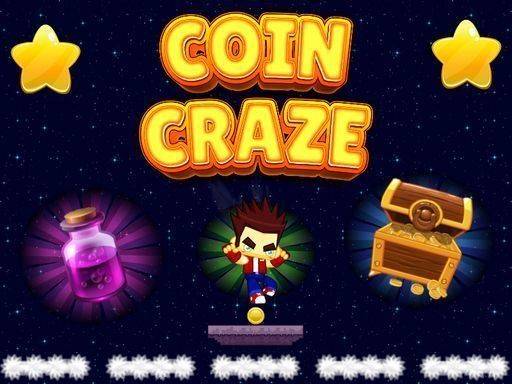
As players progress, power-ups appear that change how coins are gathered. A temporary shield can protect the hero from one mistake, increased jump range extends the reach between platforms, and a coin-attracting effect pulls nearby coins toward the hero. These items are not permanent upgrades; they are temporary tools that appear during play. Knowing when to rely on a shield versus when to grab a cluster of coins with attraction adds a layer of decision-making beyond raw reflexes.
Endless Progression and Difficulty
There is no final level or story conclusion. The game continues as long as the player keeps landing jumps, and the platform arrangements become progressively more challenging. This endless structure encourages repeated attempts, with each run testing whether the player can stay focused as the pace and complexity increase. Because there is no endpoint, improvement is measured by personal bests and longer survival rather than a credits screen.
Visual Style and Accessibility
The visuals are bright and colorful, with a clear, uncluttered presentation that keeps the moving platforms easy to track. The game is designed to be safe and engaging for players of all ages, and the simple tap-to-jump control scheme means no prior platforming experience is required. [IMG_1] The combination of straightforward controls and a wholesome aesthetic makes it approachable for families while still offering a genuine timing challenge for players who want to push their reflexes.






Editorial Notes