
Commanding WWII Armor in Your Browser
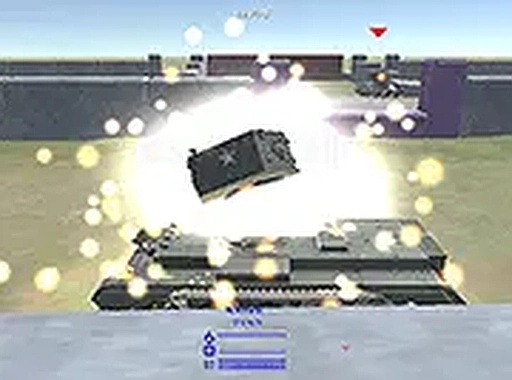
Historic Vehicle Tactics Game puts you behind the controls of armored vehicles from the World War II era. You choose from a roster of more than 300 machines representing the USSR, Germany, France, Japan, Great Britain, China, and the USA. The selection goes beyond historical models to include experimental vehicles based on real blueprints, anime-inspired designs, and units from alternative universes. Each vehicle has its own appearance and handling characteristics, so switching between them changes how you approach a fight.
Driving, Aiming, and Surviving
Battles unfold on 3D battlefields where positioning matters as much as firepower. You control your vehicle with standard movement keys and use the mouse to aim and fire. The objective is straightforward: destroy enemy vehicles while keeping your own intact. Terrain and structures serve as cover, and the game rewards players who plan an approach rather than charging into open ground. Because the game runs directly in a browser, there is no download step. Full screen mode gives you a wider view of the battlefield.
Vehicle Variety and Tactical Choice
The roster spans multiple nations and design philosophies, which means no two vehicles handle identically. Some favor armor, others mobility or firepower. Learning those differences is central to the experience. Experimental and alternative-universe vehicles add options that would not appear in a strictly historical lineup, giving players more ways to experiment. With this many vehicles available, each session can feel different depending on what you pick.
Building Skill Over Time
Success comes from two habits: practicing vehicle control and studying how each machine performs. Smooth maneuvering makes it easier to reach cover and line up shots. Knowing a vehicle's strengths and weaknesses helps you pick the right tool for a given battlefield. Aiming for enemy weak points and staying aware of your surroundings turn a chaotic firefight into a winnable engagement. Regular practice is the most reliable path to becoming a consistent commander.







Editorial Notes