 VortexPlay Arcade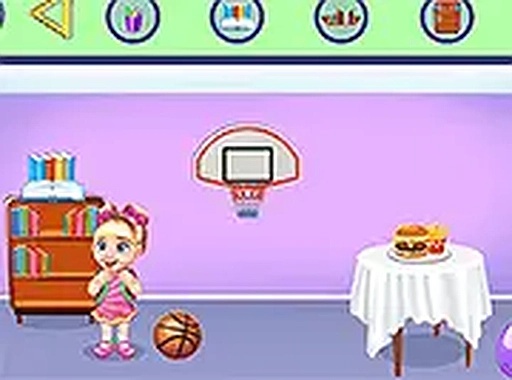
Getting Started with Design
Players begin by selecting an empty classroom to transform. The interface presents a blank canvas where every decision shapes the final look. Choices range from desk arrangements to color palettes, allowing each room to reflect a unique personality. The process mimics real-world design thinking, teaching children to consider function and aesthetics together.
Furniture and Layout Options
A catalog of classroom essentials offers desks, chairs, bookshelves, and storage units. Each item can be placed anywhere on the grid using simple drag-and-drop controls. Rearranging furniture helps players understand how layout affects movement and visibility. Experimenting with different configurations builds spatial reasoning skills.
Color and Decoration Choices
Wall colors, posters, and small accents like plants or rugs add warmth and character. The game provides a palette of shades and a library of themed decorations. Combining colors and accessories teaches color theory basics and personal expression. Every addition changes the room's atmosphere, encouraging thoughtful selection.
Encouraging Creative Problem-Solving
Without strict rules or time limits, players explore freely. They can test multiple designs, compare results, and refine their choices. This open-ended approach nurtures patience and iterative thinking. Saving favorite layouts allows children to track their progress and revisit successful ideas.
Building Foundational Skills
Beyond decoration, the activity supports early learning in organization and planning. Deciding where to place a reading corner or how to arrange desks for group work involves logical reasoning. The game subtly introduces concepts of balance, symmetry, and efficient use of space. These skills transfer to real-world tasks like room organization or project planning.
Age-Appropriate and Accessible
The controls are designed for young children, with large icons and clear visual feedback. No reading is required to start playing, making it accessible to preschoolers. The content remains positive and constructive, focusing on creation rather than competition. Parents and teachers can use it as a tool to discuss design principles in a relaxed setting.







Player Comments
0 comments