
Core Assembly Mechanics
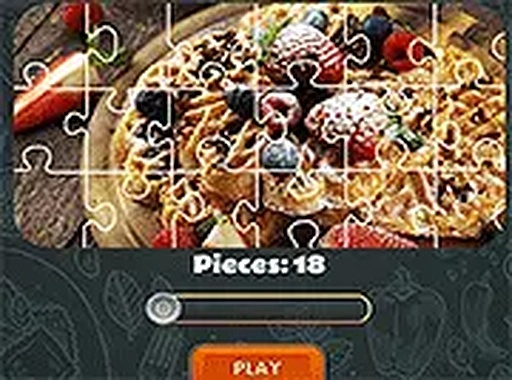
Players select a food image from a curated gallery and then choose the total number of pieces that will form the final picture. The available range starts at 18 pieces for a brief session and extends to 180 pieces for those seeking a longer engagement. Each piece can be dragged and repositioned on the board. On desktop computers, a mouse controls the movement; on touchscreens, a finger tap and drag accomplishes the same action. The interface remains clean and uncluttered, allowing the puzzle to remain the primary focus.
Difficulty Scaling and Player Growth
The game offers a clear progression path for skill development. Beginners can start with smaller piece counts to learn how the pieces interconnect. As confidence builds, moving to higher piece counts introduces more complexity without overwhelming the player. This gradual increase helps improve pattern recognition and spatial reasoning over time. The absence of a timer or hints means each session proceeds at the player's own pace, making it suitable for both quick breaks and extended relaxation periods.
Visual Presentation and Theme
Each puzzle features high-quality photographs of various meals, from colorful appetizers to hearty pizzas and other gourmet dishes. The vibrant colors and detailed textures make the assembly process visually rewarding. Completing a puzzle reveals the full image in its intended clarity, providing a sense of accomplishment. The food theme is consistent throughout, offering a cohesive visual experience that appeals to players who enjoy culinary imagery.
Platform Accessibility
The game runs directly in a web browser on both desktop and mobile devices. There are no files to download and no registration process. A full-screen mode is available to minimize distractions and enhance immersion. This cross-platform compatibility ensures that players can enjoy the activity on their preferred device, whether at home or on the go. The responsive design adapts the puzzle board to different screen sizes without losing functionality.
Strategic Approaches for Completing Puzzles
Experienced puzzle enthusiasts often begin by locating and placing all edge pieces to form a border. This creates a defined working area. Next, grouping pieces by similar colors or distinct patterns can speed up the matching process. Because no hints are provided, relying on visual memory and careful observation becomes essential. Taking breaks between sessions can help maintain focus and prevent frustration, especially with larger piece counts.




Player Comments
0 comments