

Core Gameplay Loop
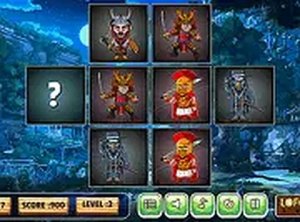
Each round presents a grid of facedown cards. Players tap or click any card to reveal a picture, then select a second card. If the two pictures match, both cards stay face up and are removed from play. Mismatched cards flip back over, and the player tries again. The goal is to clear the entire board by finding all matching pairs. Because the card positions change each round, no two games are exactly alike.
Visual and Audio Design
The game uses simple, clear icons that are easy to recognize at a glance. Colors are bright but not overwhelming, making the interface comfortable for extended play sessions. Sound effects are optional and limited to subtle cues when a card flips or a match is found. The overall presentation focuses on clarity and calm, without flashing animations or distracting elements.
Accessibility and Platform Support
Picture Pair Recall works on any device with a modern web browser, including desktop computers, tablets, and smartphones. The interface automatically adjusts to different screen sizes, and touch controls are fully supported alongside mouse clicks. Full-screen mode is available for those who want a more focused view. No installation, registration, or account creation is required.
Pacing and Difficulty
There are no timers, scores, or penalties for wrong guesses. Players can take as long as they need to study card positions and decide on their next move. This relaxed pacing makes the game suitable for casual play during short breaks or longer sessions. The difficulty naturally increases as the board size grows, but the core mechanic remains accessible to beginners.
Family-Friendly Content
All pictures used in the game are appropriate for children and adults alike. There is no text, dialogue, or story to follow, which means language barriers do not affect gameplay. The game can be enjoyed by solo players or as a shared activity where multiple people take turns selecting cards.







Player Comments
0 comments